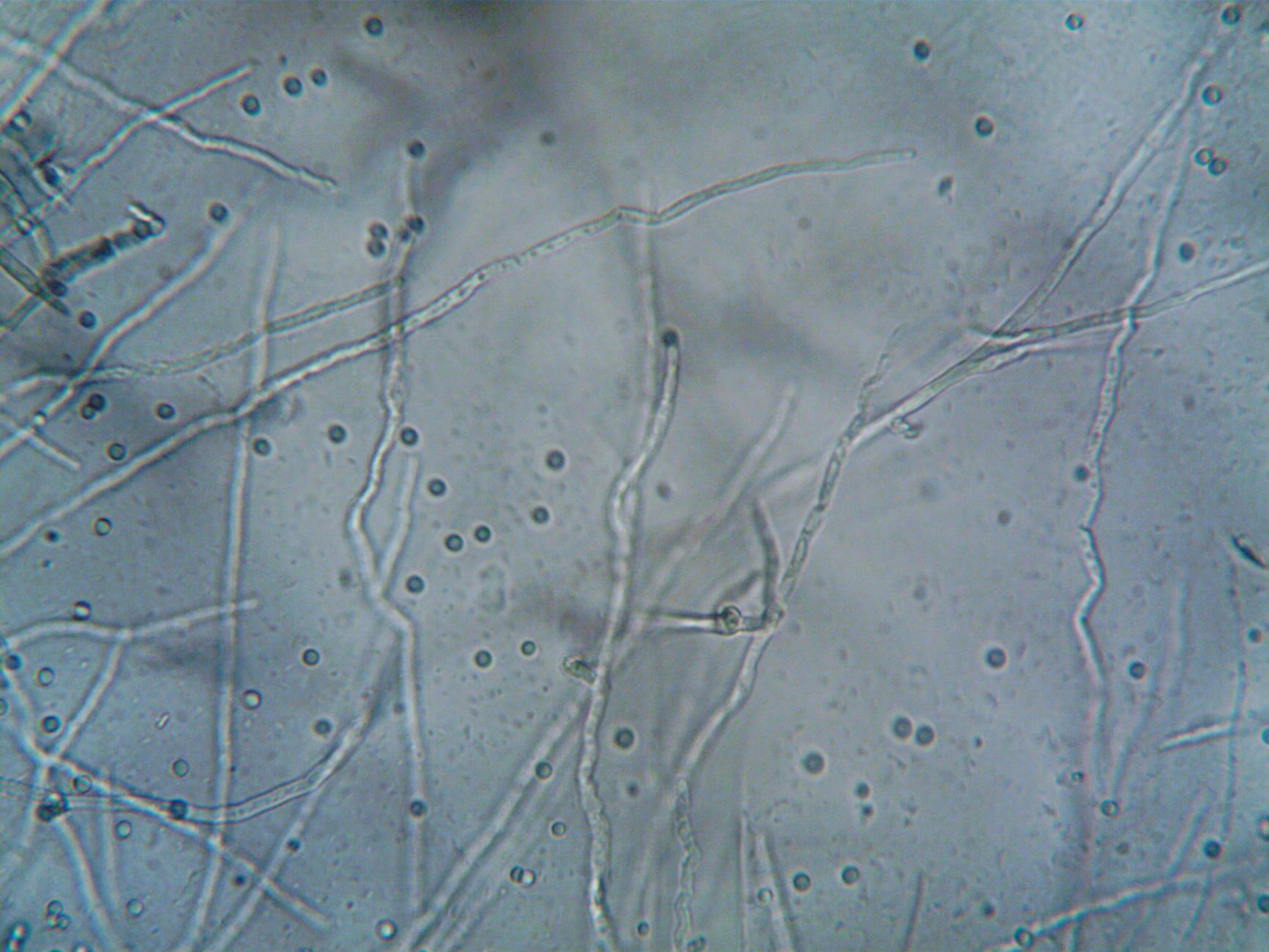
In a groundbreaking study, researchers from the University of Vienna have discovered a unique type of bacteria that could potentially help save Earth’s oceans. These bacteria, known as MISO, utilize iron minerals to oxidize toxic sulfide, thereby creating energy and producing sulfate. This biological process is reshaping the way scientists understand global sulfur and iron cycles and could potentially help halt the spread of oceanic dead zones and maintain ecological balance.
Understanding MISO Bacteria
The MISO bacteria are unique in their ability to ‘breathe’ rust, or iron minerals, to oxidize toxic sulfide. This process not only provides the bacteria with energy but also results in the production of sulfate, a less harmful compound. This biological process is significantly faster than the corresponding chemical reactions, which gives these bacteria a potential advantage in combating the spread of oceanic dead zones.
The Impact on Global Sulfur and Iron Cycles
The discovery of the MISO bacteria and their unique metabolic process has significant implications for our understanding of global sulfur and iron cycles. These cycles play a crucial role in maintaining the balance of life on Earth, and any disruption can have far-reaching impacts on ecosystems worldwide. The ability of the MISO bacteria to rapidly convert toxic sulfide into sulfate could potentially help restore balance to these cycles, particularly in areas affected by pollution and other human activities.
Combating Oceanic Dead Zones
Oceanic dead zones are areas of the ocean where oxygen levels are so low that most marine life cannot survive. These zones are typically caused by excessive nutrient pollution from human activities, which stimulates an overgrowth of algae that depletes oxygen levels when they die and decompose. The ability of the MISO bacteria to rapidly oxidize sulfide could potentially help restore oxygen levels in these zones, thereby helping to maintain the balance of marine ecosystems.
Conclusion
The discovery of the MISO bacteria and their unique metabolic process represents a significant breakthrough in our understanding of global sulfur and iron cycles. By harnessing the power of these rust-breathing microbes, we may be able to combat the spread of oceanic dead zones and help maintain the balance of life on Earth. However, further research is needed to fully understand the potential of these bacteria and how they can be effectively utilized in environmental conservation efforts.
Leave a Reply