
Tag: iPhone

  • Apple Expands Satellite Features for iPhones: A New Era of Connectivity

    Apple Expands Satellite Features for iPhones: A New Era of Connectivity

    Apple Inc., the leading tech giant, is reportedly working on expanding the satellite features for its iPhones, according to the latest Power On newsletter. This move signifies a significant leap in the realm of mobile technology, potentially revolutionizing how we communicate.

    Enhancing Satellite Features

    Apple’s initiative to enhance satellite features aims to provide more than just emergency calls and messages via satellite. This expansion could potentially lead to a new era of connectivity, where geographical location and network coverage no longer limit communication.

    Apple had previously introduced the ability to send and receive texts via satellite. This feature was a major advancement, providing a lifeline in areas with poor or no network coverage. The latest development is expected to build on this, offering more comprehensive satellite features.

    Implications for Users

    The expansion of satellite features on iPhones could have far-reaching implications for users. For one, it could enhance communication in remote areas or during natural disasters when traditional network coverage may be disrupted. Moreover, it could also provide a more reliable form of communication for travelers and adventurers who often venture into areas with limited network coverage.

    Furthermore, the expanded satellite features could potentially open up new avenues for third-party apps. Developers could leverage these features to create innovative applications that could redefine mobile communication.

    Looking Ahead

    While the exact details of the expanded satellite features are yet to be revealed, it is clear that Apple is pushing the boundaries of mobile technology. This move could potentially set a new standard for smartphone capabilities, prompting other tech giants to follow suit.

    As we await more details, it is evident that Apple’s commitment to innovation continues to drive the evolution of technology. The expansion of satellite features on iPhones is just another testament to Apple’s relentless pursuit of providing superior user experiences.
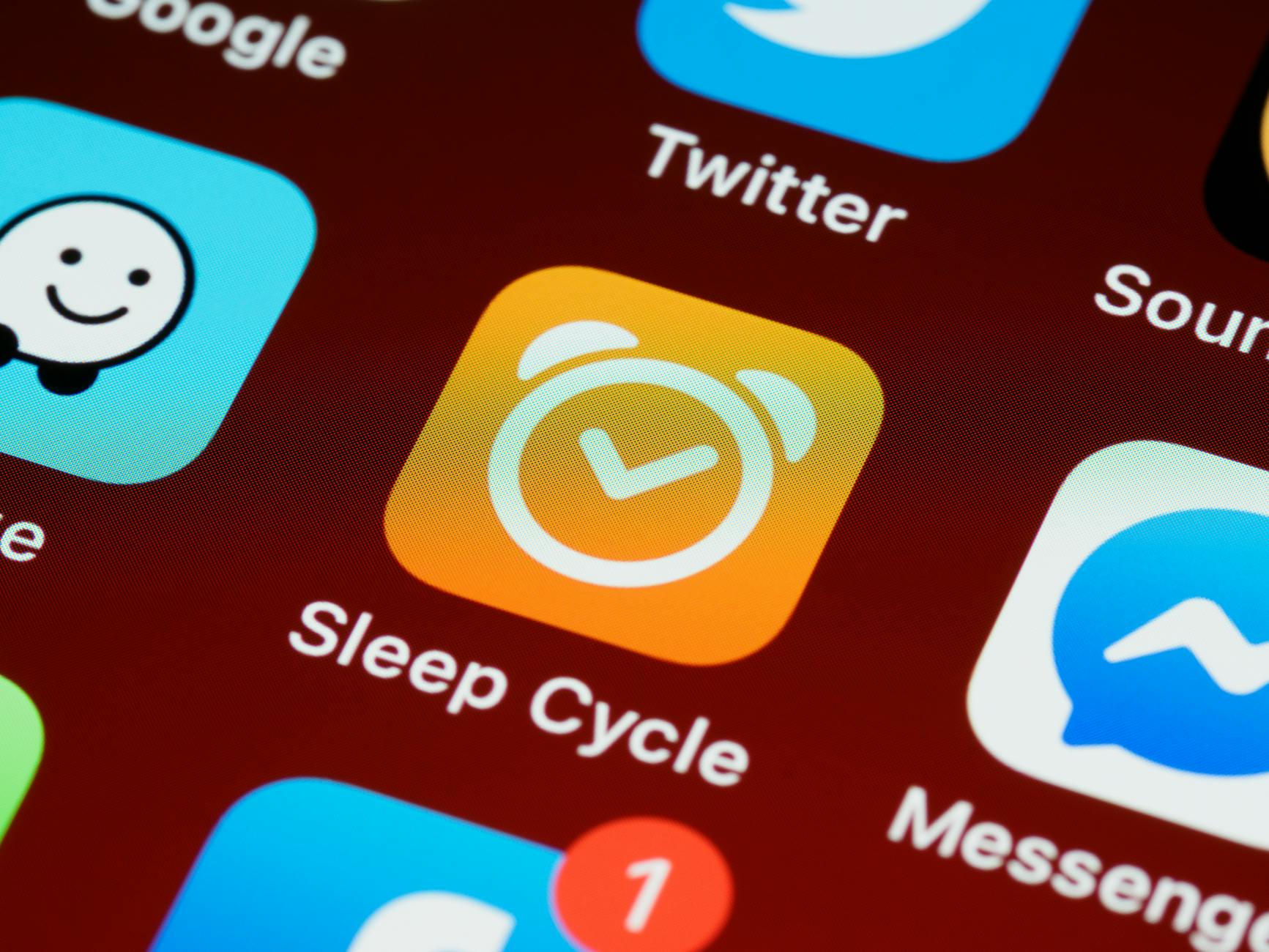
  • Understanding the New iPhone Alarm Interface: A Guide

    Understanding the New iPhone Alarm Interface: A Guide

    Apple, the technology giant, has once again made a significant change to its user interface, this time focusing on the iPhone’s alarm system. This modification has left many users puzzled, but the good news is, you can change it back.

    What’s New?

    The new update has altered the way users turn off their iPhone alarms. Previously, users would swipe to turn off the alarm. Now, the interface requires users to press a button to silence the alarm, a change that has left many users scrambling in the early morning hours.

    Why the Change?

    Apple has not released an official statement regarding the reasoning behind the change. However, it is speculated that the new interface is designed to prevent users from accidentally turning off their alarms, a common issue with the swipe feature. The new button requires a more deliberate action, potentially reducing the number of missed alarms.

    How to Adapt

    Adapting to this new change may take some time, especially for those who have been using iPhones for years. The best way to get used to the new interface is to practice. Set a few alarms throughout the day and practice turning them off. This will help you get used to the new button and reduce the likelihood of a panicked morning.

    How to Change It Back

    For those who prefer the old swipe feature, there is good news. Apple has included an option to revert back to the old interface. To do this, go to the Settings app on your iPhone, then to ‘Sounds & Haptics’, then to ‘Alarm’. Here, you will find an option to switch back to the swipe feature.

    Conclusion

    While the new iPhone alarm interface may initially seem confusing, it is designed to improve the user experience. With a little practice, users should be able to adapt to the change. And for those who prefer the old system, the option to revert back is always available.